Part of
country music history itself entails the story of “the
Bakersfield Sound.” Buck Owens and Merle Haggard were the
God-fathers thereof and blazed the historic trail from
Bakersfield, California to the rest of the entire world. Part of
the mix that came together to give rise to that sound was the
number of bars, saloons, and roadhouses
like The Blackboard Cafe, Bob's Lucky Spot, Trout's, the Rainbow
Gardens, the Pumpkin Center Barn Dance, the Beardsley Ballroom,
Tex's Barrel House, the Kern River Belle, Longbranch Saloon, the
Clover Club, and some others places that supported live music
helped make Bakersfield a natural place for musicians to come
hang their hat, sing their songs, and make a few bucks. Folks
like Wynn Stewart, Tommy Collins, Joe Maphis, Freddie Hart,
Bonnie Owens, Delbert Smart, Billy Mize, Bill Woods, Eugene
Moles, Oscar Whittington, Frankie Lemon and others helped pave
the way in these music venues for what would become known as The
Bakersfield Sound. And very important add to the list is Fuzzy
Owen, Bonnie Owens, Lewis Talley, Roy Nichols, Don Rich, Bill
Wood's Red Siegal, Rose Maddox, Buck Owens and my friend Merle
Haggard.
Merle and Buck Owens
Merle's mom and dad found this abandoned boxcar in a field
and
made a deal with the lady that owned it and she gave them
free
rent if they would build a house out of the abandoned reefer
car.
This now famous house boxcar reefer is in a
new home. The train car itself was from somewhere in the early
1900's and here some 118 years later it is rebuilt and set up as
a tribute to Bakersfield and Oildale's favorite son, the great
Merle Haggard. Lillian Haggard told me that her folks paid about
$10 per month for rent and they moved in September of 1935. On
April 6, 1937 Merle is born at the Kern General Hospital in
Bakersfield and heads to the boxcar to be raised. She said in
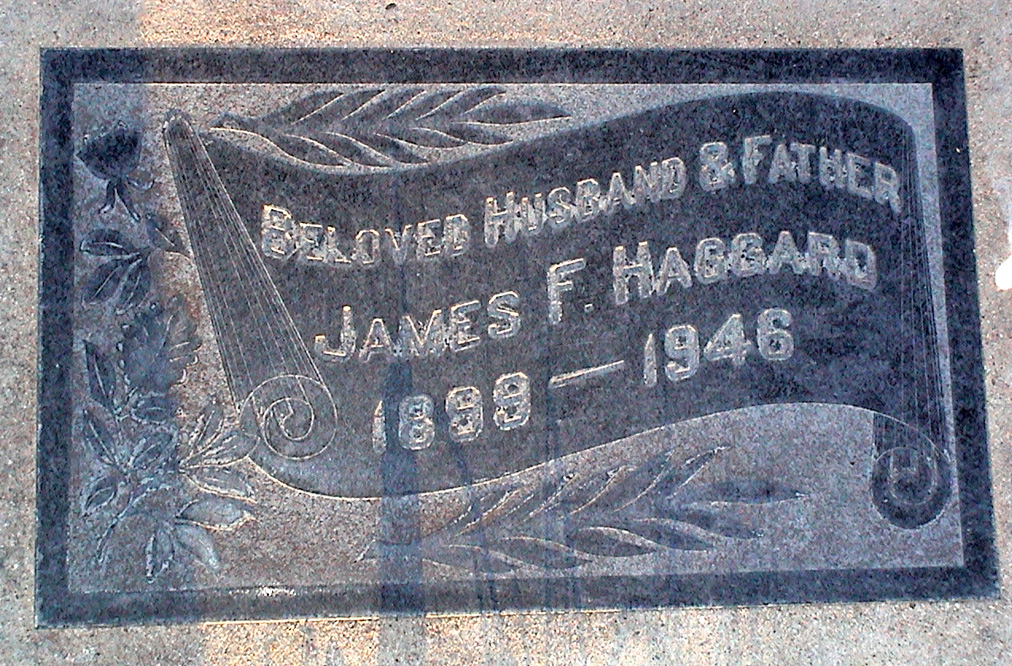
1940 her dad James bought the house from Marianna Bohna. After
James death in 1946 and a few years of troubled times with Merle
Flossie, his mom, built another house on the lot in 1959. In
1984 Flossie Haggard dies and in 1989 Lillian sells the family
home. For the next near 40 years the house begins to fall apart.
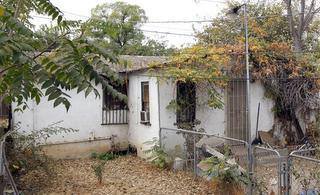
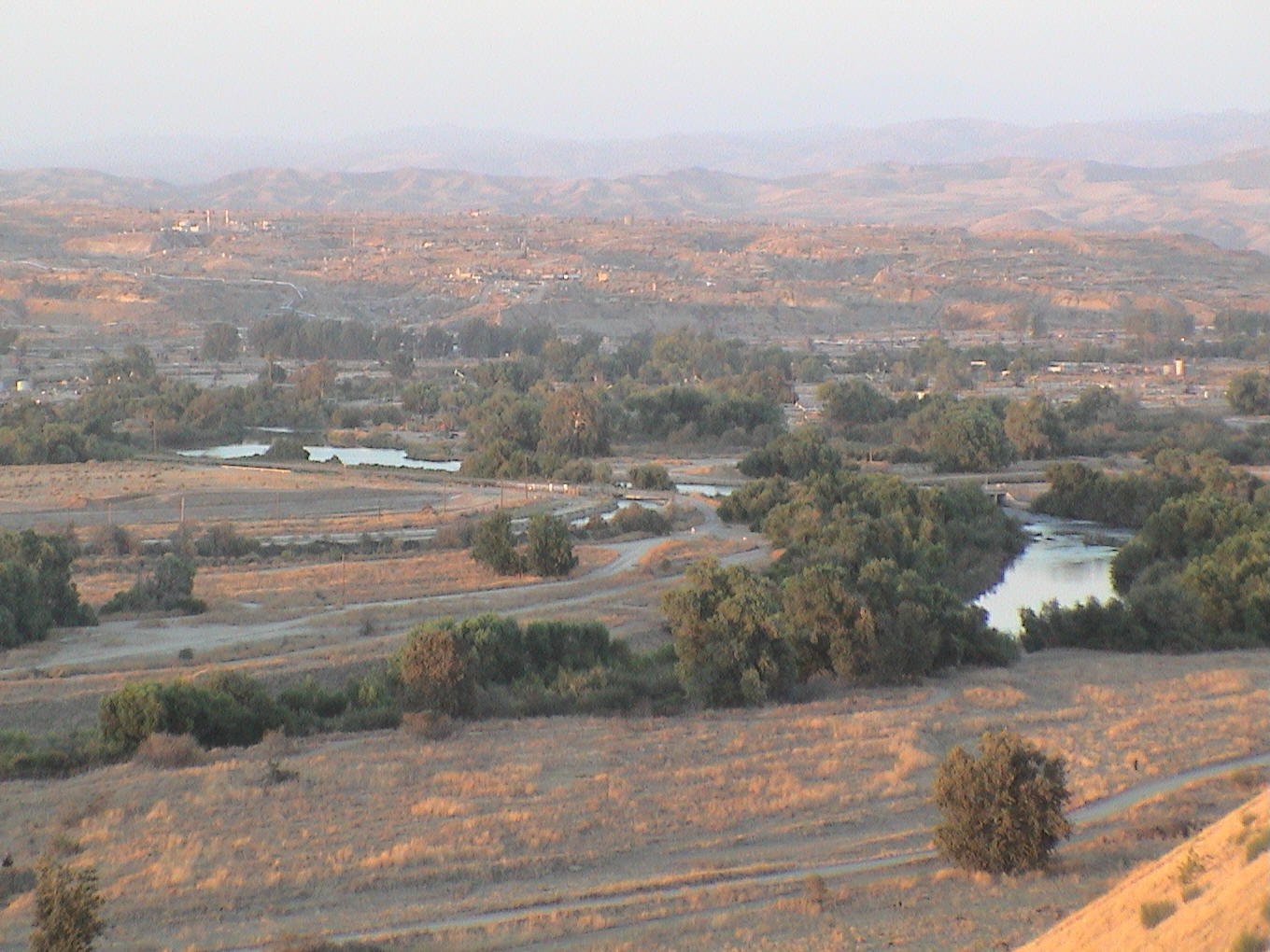
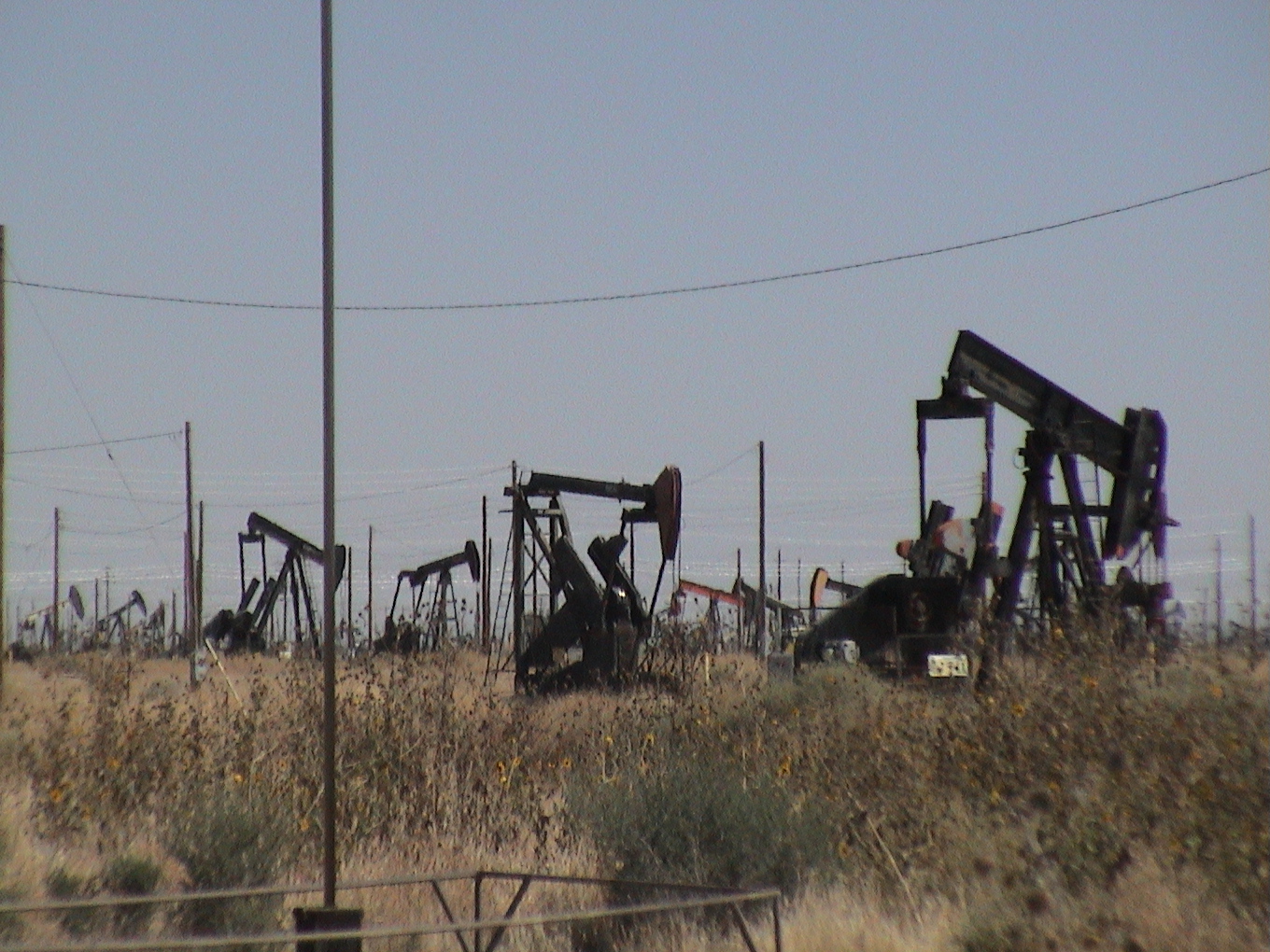
While working with Merle on the story he told me to go out there
and see if I could find the house and get any pictures of the
area and the house. I was really shocked how quite, rundown and
uneventful the neighborhood was...a sadness came over me and a
wondering how could people care so little about a living
legend's history. Then again I knew people don't care much about
history.
We can go
back to transcendent stories, Steinbeck novels, the stories of
Will Rogers, and the songs of Jimmie Rodgers coming out of Texas
where the Great Depression paired with the historic Dust Bowl
Era and masses of people from the Great Plains and the Southwest
regions from states like Oklahoma, Arkansas, Kansas, New Mexico,
and Texas were becoming part of a historic migration to the
West. We have the Arkies and Okies, Texans,
Mexicans and others fleeing The Grapes of Wrath
heading West on Route 66. We hear the train whistles, where
thousands of hobos hop freights, and in the distance we hear
Woody Guthrie sing “This Land is Your Land.” On April 28, 1929,
four months before the Great Stock Crash of 1929, the
Bakersfield's Hippodrome Theatre is the first movie house in
Bakersfield to screen a “talkie.” They were called in the early
days of a motion pictures with sound. Sound had first come to
film in Warner Brothers' “The Jazz Singer” in 1927. The film
screened was “The Ghost Talks” directed by Lewis Seiler who
worked from 1919 as a gag man before he began to direct two-reel
comedies. He worked with Tom Mix on his westerns during the
1920s. The times they were a changin' ever since 1913 when Cecil
B DeMille produced
Squaw Man the first
feature movie done in Hollywood the pace of movie making was
becoming big business in California.
With the hard times of the enduring
Great Depression and with the western
migration still in motion, James and
Flossie Haggard, Merle's parents had
hard times come to them after their
barn had burned down. In the fire they
lost the wagon, plows, some horses
and cows, and his dad's old model-T.
Like the masses, they were feeling
the weight of the dark times on the lives
of a Nation, and because of the Dust
Bowl, the area there in Oklahoma was
especially bad. In fact, it was
unbearable. History was being written in the
amount of starvation and lung disease
deaths. Already the Great Depression
had brought a stop to many peoples
livelihoods. There were food lines,
handouts, petty theft to just eat,
growing hobo jungles, and rail roads were
filling up with men and young boys
hitching on the iron to California.
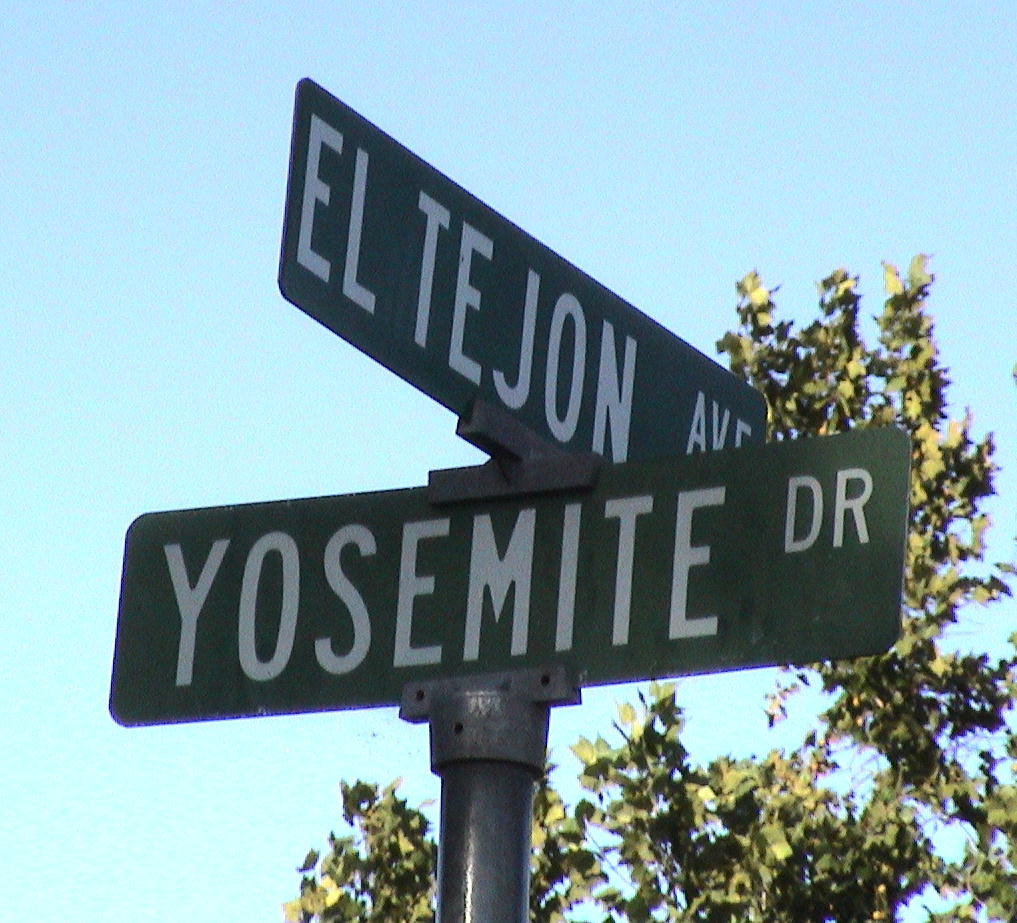
The streets the young Haggard ran and grew
up on
During the
decade of the fifties the accumulation of people from the
historic migration to the area not too many years ago made for
an interesting mixture of people to come together and make
music. Many say this is part of the mix that itself created the
Bakersfield Sound. The music would spread through the valley on
to Los Angeles. The work that Bill Woods, Buck Owens, Fuzzy
Owen, Cousin Herb Henson and some others was laying the
foundation. KUZZ radio was playing the local music and on KERO-TV
a show called the “Trading Post Gang” with
Cousin Herb could be seen as was spreading the sound. Some big
names like Barbara Mandrell, and Joe
and Rose Lee Maphis were on the show that ran a decade. KBAK had
the “Chuck Wagon Gang” show reaching out and Billy Mize was
getting some songs cut by the likes of Vern Gosdin and Dean
Martin. Dallas Frazier was writing some great songs reaching a
national audience, over the years the likes of Elvis Presley,
Eddy Arnold, The Beach Boys, George Jones to Haggard and Nelson
would record his songs.
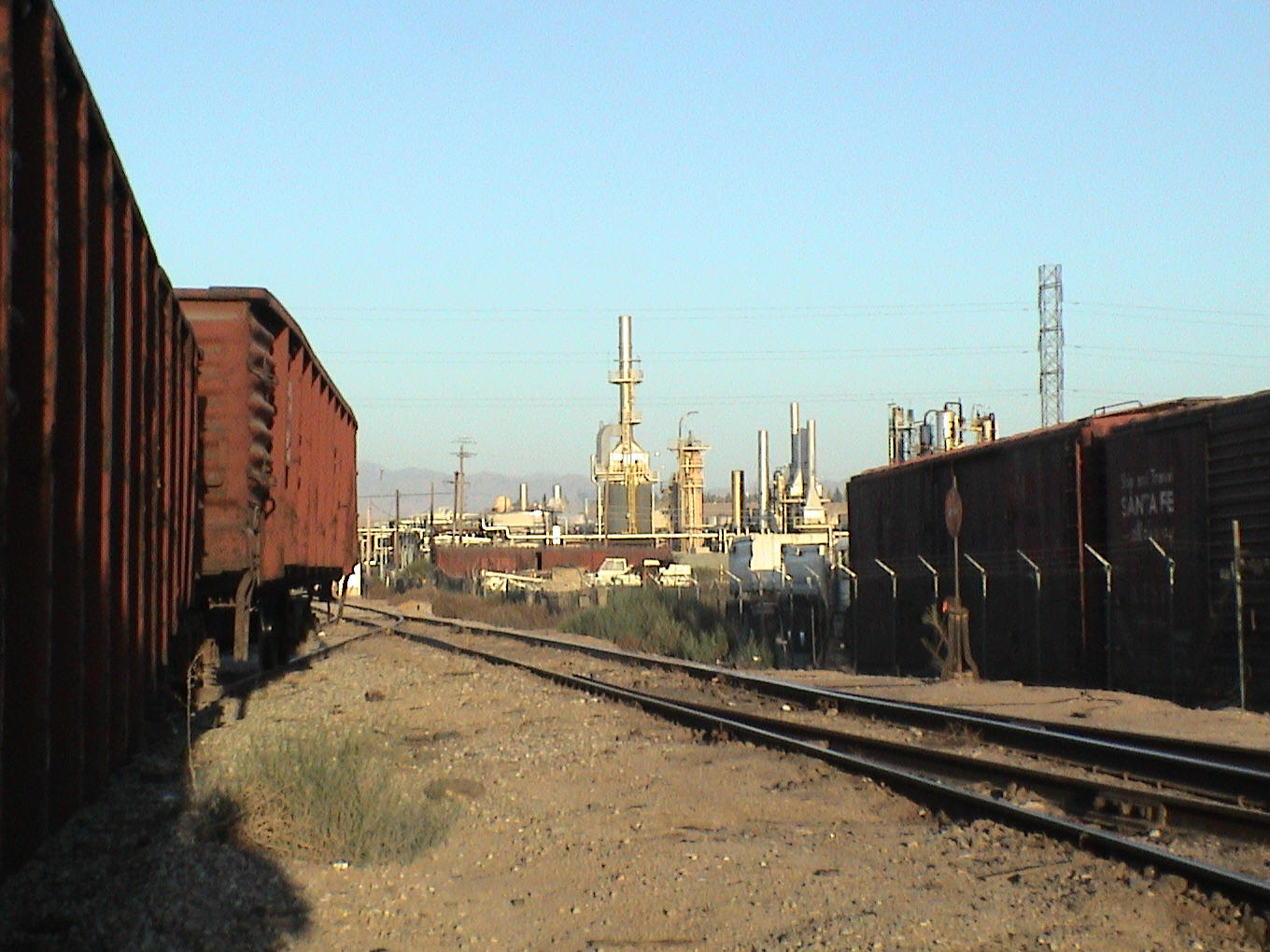
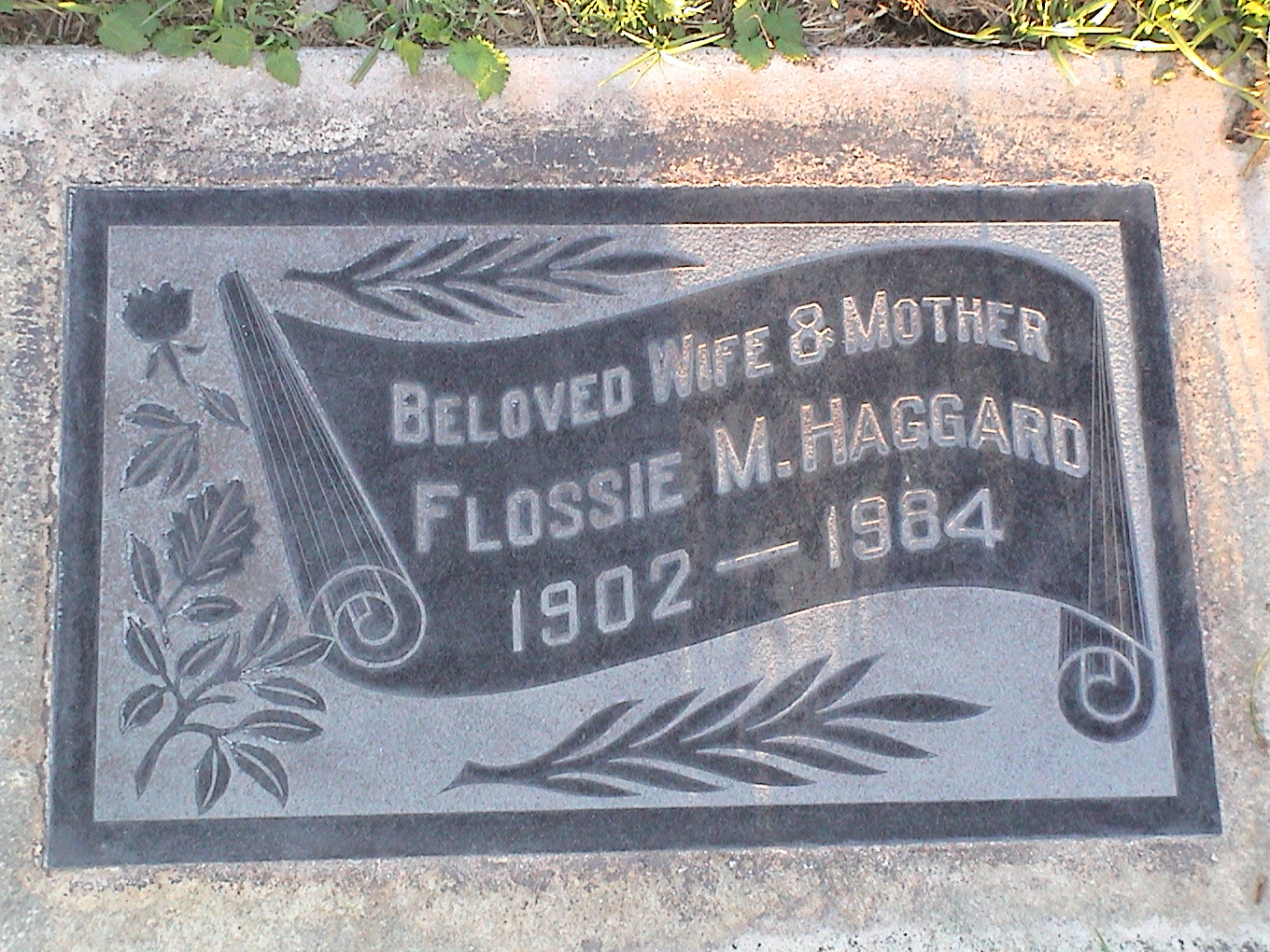
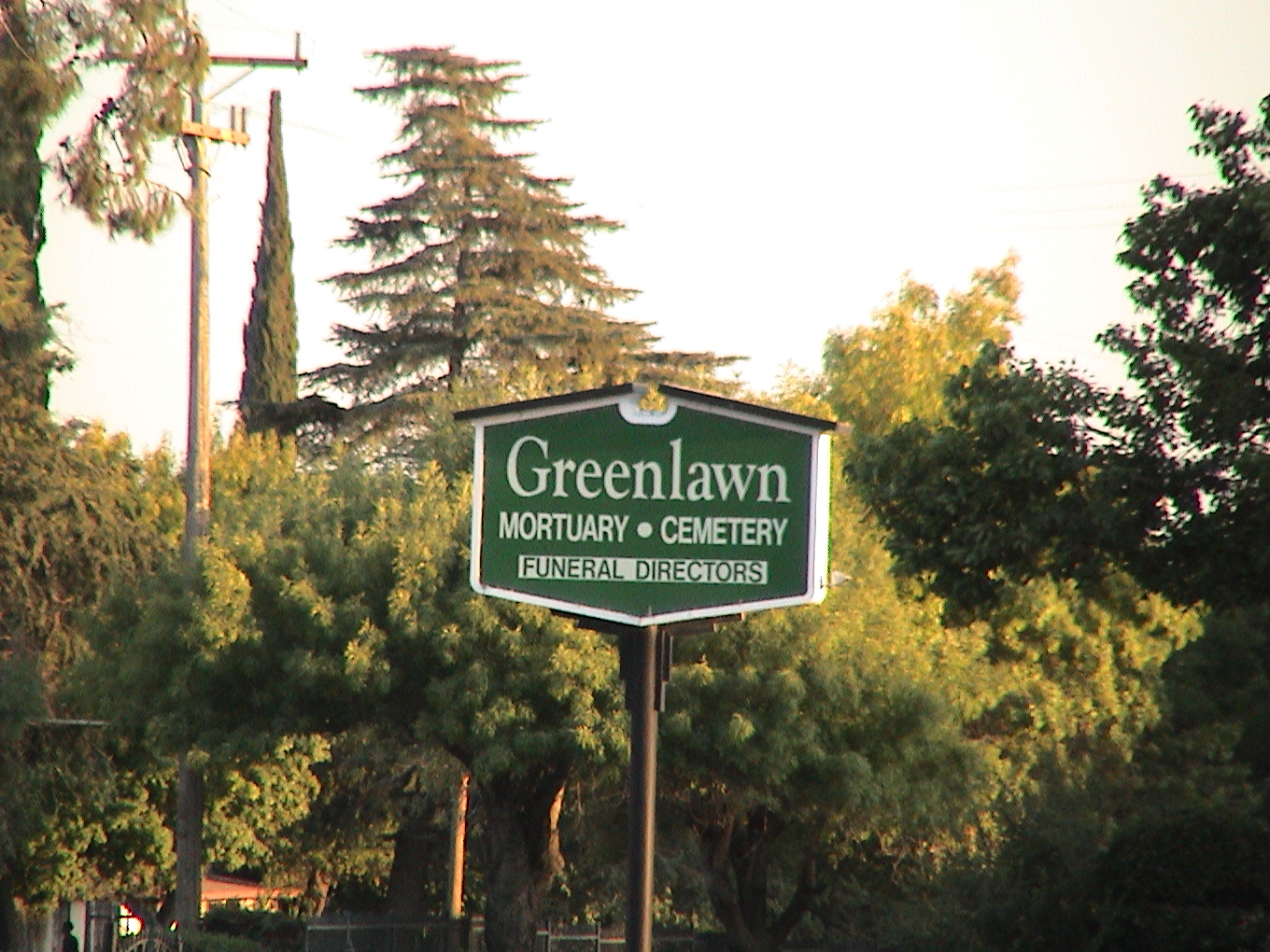
Mere asked me to go take a picture of these,
so
went out to Greenlawn and did it for him.
After I gave them to him he said, "Just have't
been out there in a while...thanks!
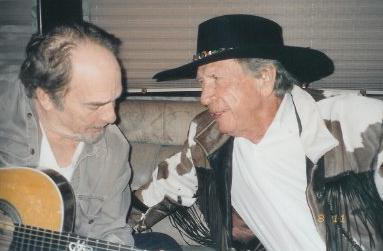
Merle asks me, "You know Les Paul?"
I had the honor to introduce Les Paul
to Merle Haggard
at one of our stops on the Bob Dylan
Merle Haggard Tour.
Hag had told me he never met Les,
and knowing Les I
called and set up the meeting.
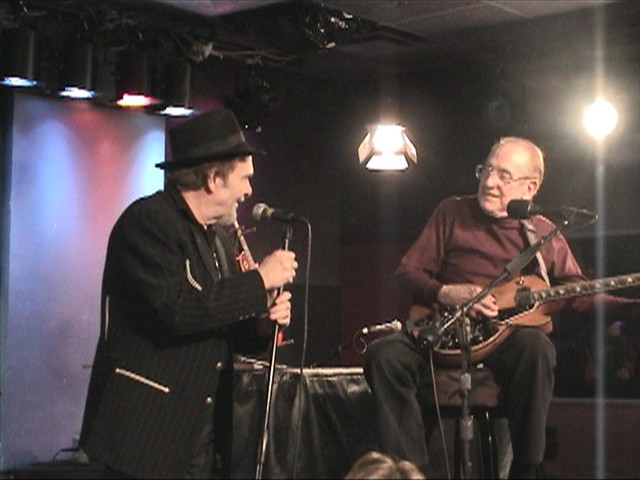
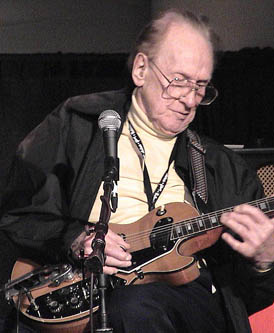
In the picture Les and Hag are
performing one of 3 songs
at the Iridium Jazz Club in New York,
where we took Merle
to meet up with Les Paul...they
ended up hanging out for
the next two days, one of which
Les came to watch Merle's performance at the Haggard/Dylan Show at the Beacon
Theater on Broadway...later Merle
told me, "This was one
of the most
important things to happen to me in my career."
As he
looked into my eyes we both had tears, and will
remember forever
and ever and to be a special chapter.
Merle, Theresa, Frank and I go out the
backstage door and jump in a black Lincoln and head five blocks
to the sold out Les Paul show at the Iridium Jazz Club at 1650
Broadway. We are there before the 10 pm show starts. I walk with
Merle into a crowded green room where I can see Les Paul. I walk
up keeping Merle with me, Les sees us walking right to him, and
I reach to shake Les hand and give him the secret Tau Kappa
Epsilon Fraternity handshake and say, “Hi Frater Les Paul,
Benford Standley, and like for you to meet Merle Haggard”
...then I say, “Merle, Les Paul.” And, I stand back as they
shake hands. I back up to take some pictures, and think, “Done
deal.”
After a short while someone comes in and
tells Les that it is show time. Merle, Theresa, Frank and I are
led out to some seats at a table right at the stage. I set them
down and head over to the sound board with my video camera. Les
has a virtual vaudeville show with tap dancing, singing and his
band plays a few songs, his band was Jazz pianist John Colianni,
the beautiful Nicki Parrott on standup bass, and the great jazz
guitarist Lou Pallo. After a few songs and another guest sings,
he invites Merle to come up to the stage. Lou tries to hand
Merle a guitar and Merle looks at Les and Lou and indicates you
think I am going to stand here and play guitar with you two
great guitarists who have played together since 1961, Merle just
goes up to the mic and he and Les chat some about Dylan and Les
asks Merle what is he doing here now goofing off.
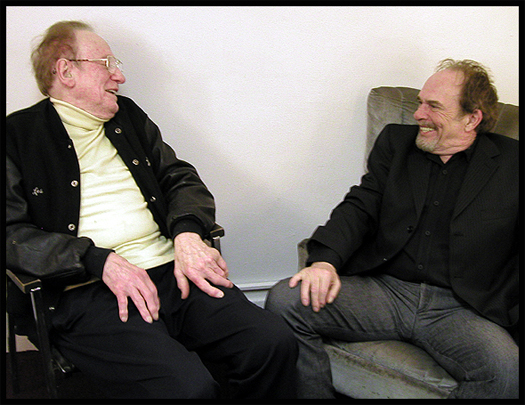
Moments after I introduced these two great men, they sat
down
and I backed up and got a few shots...I can write a chapter
on
the rest of the story and things later that deveoped and
were
talked about between Les and Merle and ole me.
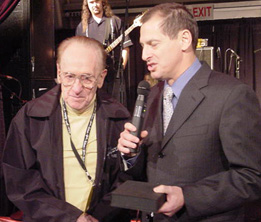
Before Les receives the CES Lifetime Achievement
Award for his work in music
On of my best times with Les was at the CES
Expo in Las Vegas were we were doing
an interview on the PioneerTroubadrou.com
The next night Les Paul came
to the Dylan and Haggard night number two at the Beacon. I met
Les and brought him to Merle's bus where they spent some time,
then took and to his seat for Haggard's show. After the show,
Les came backstage to Merle's band room and they talked and
talked. One could see the great friendship that was starting.
They were already talking about Merle cutting a song with Les on
a duet CD that was being produced. After a while I took Les out
to see the Dylan show, but after about twenty minutes he and
Merle headed to a coffee shop near the Beacon and talk and
talked. Over the next few years they would talk about working
together and making the plans, but it never came about. I stayed
in touch with Les, and recorded some of our talks on the phone,
Merle said he was also staying in touch with Les. He told me
again, “this was the most important thing to happen in his
career.” A few years after their meeting Les passed away at 94
years old.
PIONEER TROUBADOURS
aka
ROAD WARRIORS
Troubadour
Rinestone guitar cases
Honkey tonks and army bases.
Tryin' to keep my name up there in lights.
Learnin' chords and guitar rhythm,
Singing blues and livin' with them
Doin' every song old Hag can write.
Troubadour I'm a Troubadour
Doin' everybody's favorite song.
Troubadour I'm a Troubadour
I'm layin' back and tryin' to come on strong
Got songs about the nitty-gritty.
Doin' shows in every city.
Warm up the crowd to some big star.
I'll always be a minor leaguer.
Probably never get no bigger.
I just want to play my ole guitar.
Merle Haggard 1974
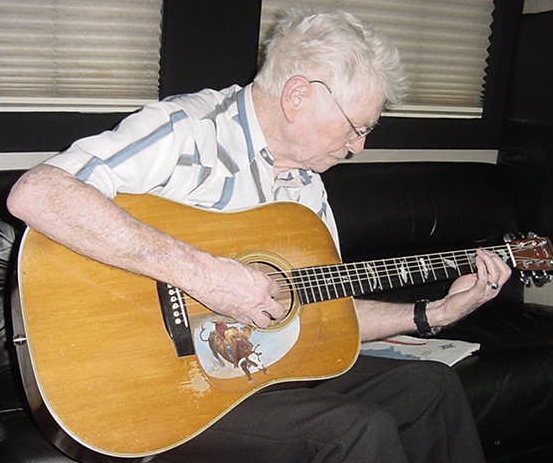
NORM STEPHENS
To the
left is Norm Stephens. I met Norm with
Hag
as he was
playing guitar in The Strangers. I am writing
more
about Norm in my book. What a great couple of
weeks we
had working with the Eric Clapton gang on the
Pioneer
Troubadour run with Ramblin' Jack Elliott, Buck
Page of
the Ole Riders of the Purple Sage, and Sonny
Curtis of
Buddy Holly's band The Crickets. Norm
played guitar,
which I will tell again... for Merle
Haggard, Lefty Frizzell and Hank Thompson.
That's all?
Johnny Cash
said..."I have a home that takes me anywhere I want to
go, that cradles and comforts me,
that lets me
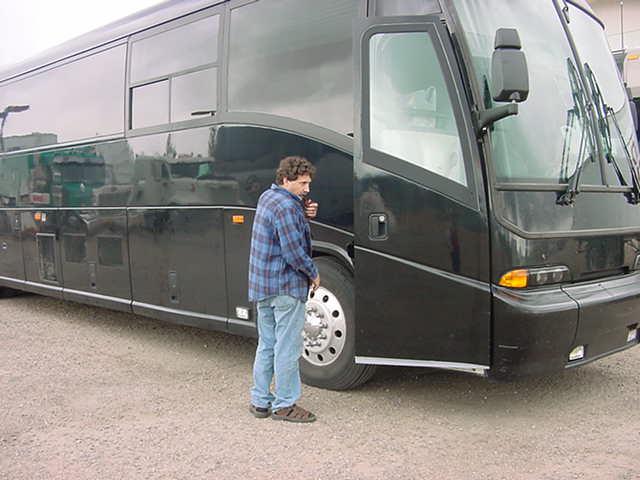
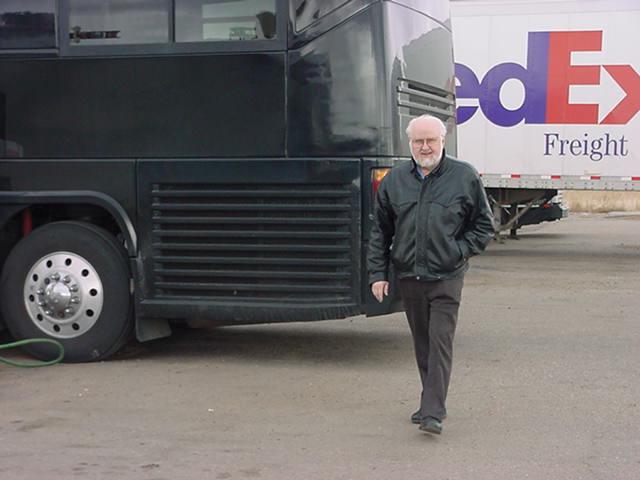
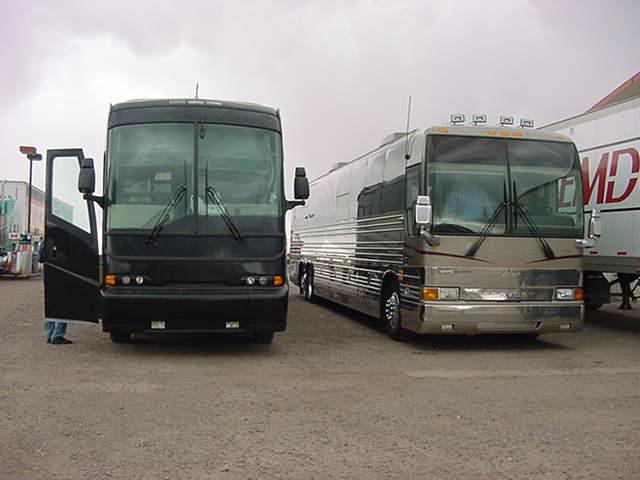
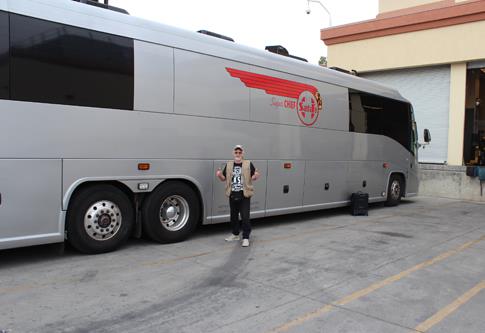
nod off in the mountains and wake up on the plains, my bus,
of course...When I make it off
the plane and
through another airport, the site of that big black MCI
waiting by the curb sends waves of
relief through
me...Myself, I've lived out here so long and know it all so
well that I can wake up anywhere
in the United
States, glance out the bus window, and pinpoint my position
to within five miles...Like the
song says,
I've been everywhere, man. Twice.
Norm Hamlet
Kevin Williams...RIP Kevin
Frank Mull
This is the Bob Dylan Never Ending Tour Swag Wagon
"A lot of people feel they
should be able to do anything they
want when they're at home, a nd
that bus is home to a touring
singer. I've carried barbeque
grills on my buss and stopped
by the side of the road, away
from people, to eat and relax
before I climb back on and
going to the next town.
To thisday
I sometimes arrive in a town where I've already
paid for a nice hotel room.
But there are plenty of times I
never seethe
hotel's interior. I'd rather dress on my bus."
George
Jones
Merle tells Dan Rather, “Lonesomeness is a terrible thing."
Haggard sings and writes about
what posses him: “I was born the running kind, always
leaving on my mind...
I'm A Lonesome Fugitive...Branded
Man...The Legend of Bonnie and Clyde...
Keep Moving On...My
Love Affair With Trains...Ramblin' Fever...I'm Always on
a
Mountain When I Fall...Big City turn me lose and
set me free...Going Where
The Lonely Go...If I Could Only
Fly...A canvas covered cabin in a crowded labor
camp...Traveling down the lonesome road...or they'll send me
back to prison if
I fail...The train stops in our town...A whistle soon will
blow a lonesome sound...
Down every
road there's always one more city...The first think I
remember know-
ing was a lonesome
whistle blowing...Well traveling was the nickname of my
papa...Roaring engines headed
somewhere in flight...Where there's loneliness all
around..."Sing me back home before I die..."
PERIOD
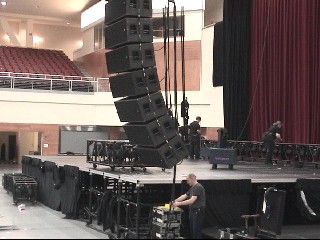
Behind the curtains and the “backstage scene”
are the roadies, stage crew, sound and light guys that make this
business tick.
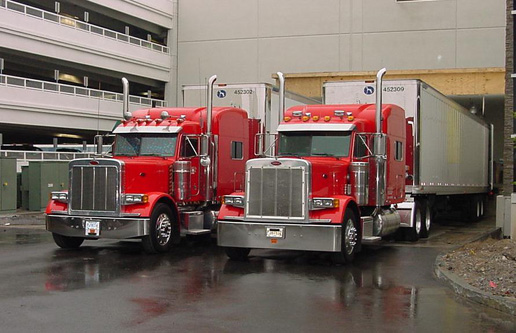
They are in the cities before the bands pull into town. While
the band members are sleeping on the buses and in their hotel
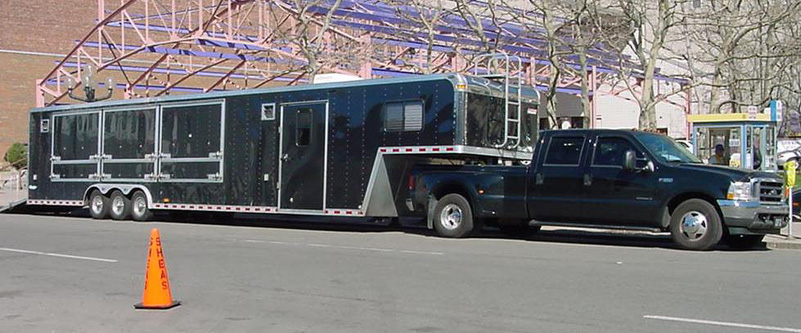
rooms, these guys are unloading the 18-wheeler trucks and setting up the stage,
flying the sound, hooking in the lights, hanging
the curtain,
setting up the drums and amps and getting the stage ready for the boys to show up for
sound check: 4 p.m. is the
call.
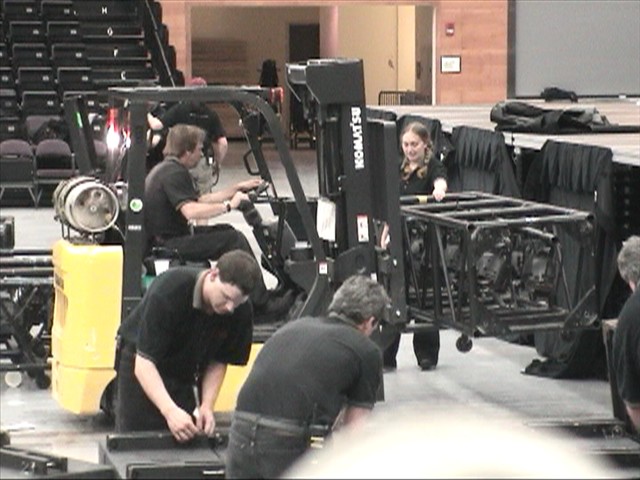
As a concert producer myself, the production
is the show, from catering, to the truck drivers that back up
the 18-wheelers with all
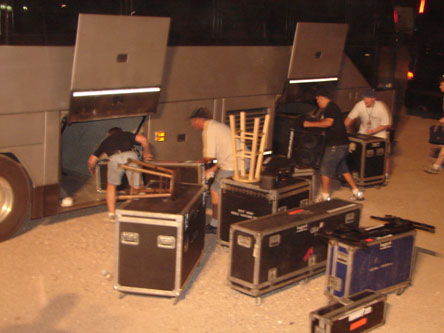
the equipment and the roadies that unload and roll the
equipment to the stage. From the parking lot setup and on to
backstage, I
walk up to the front of the building where you can see the merchandise of
the artist being unloaded, the sound and lighting
operators
setting up their laptops and sound boards, and did I say
catering. I love to watch the guys that fly the sound, watch the
guitar techs take care of moving that valuable cargo off the trucks, security meetings going on with the
staff before the doors open,
the miles of electric cable to hook
up the lighting.